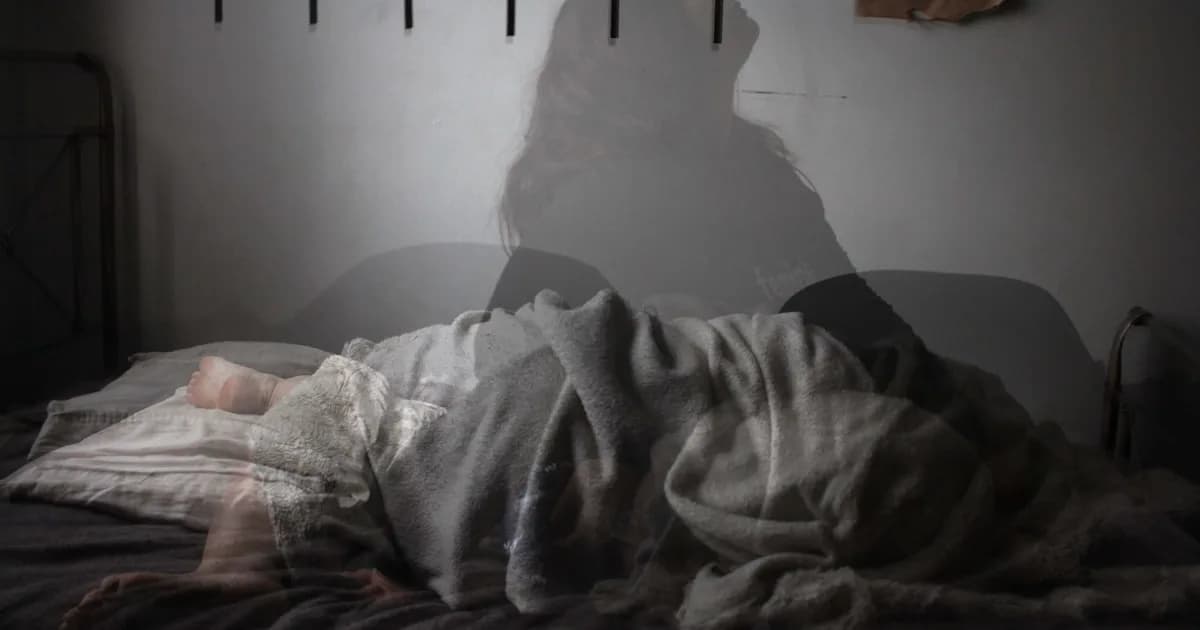
A window appears in your dream. You're looking through it, or looking at it, or perhaps you can't quite reach it. Before you ask what window symbolism in dreams means, sit with what you felt in that moment. Was there longing? Clarity? Frustration at being on the outside looking in? The emotional register of the encounter matters more than any symbolic interpretation. Windows have been understood as symbols of opportunity, clarity, and vision across many traditions — but what a window means for you, in your particular life right now, depends entirely on your relationship with the boundary between observation and action. This article invites you into that relationship, not toward a conclusion about what the symbol means, but toward a deeper understanding of what it might be showing you.
The Emotional Reality of Windows in Dreams
The experience of encountering a window in a dream carries a specific emotional texture. There is a quality of separation, even when the window is open. You are here, on this side of the glass. Whatever you see through it is there, distinct, viewed rather than inhabited. This is not a flaw in the symbol — it is its essence. Before reaching for meaning, notice what you felt: Was there safety in that distance? Ache? A sense of protection or of being kept out? Some dreamers find windows exhilarating — they offer a view, a perspective, a way of seeing the world from a particular vantage point. Others find them isolating. The emotional signature of your window dream is primary data. It arrives before interpretation and shapes everything that follows.
The window in a dream often presents a paradox: it simultaneously connects and separates. You can see through it, but you cannot touch what you see without passing through the barrier itself. This paradox carries psychological weight. It may reflect a moment in your waking life where you are observing something — a situation, a relationship, a possibility — from a distance. The question is not what the window means universally, but what this particular boundary means to you now. Are you choosing to maintain this distance, or does it feel imposed? Are you gathering information before acting, or are you watching a life that feels unavailable to you? These are not small questions, and they deserve reflection.
Window Symbolism Across Traditions and Contexts
Different cultures and psychological traditions have held different relationships with window imagery. In some Western traditions, windows have been understood as openings to possibility, as metaphors for clarity of vision and expanded perspective. A window opening, or a window through which light pours, has been read as a symbol of insight or spiritual awakening. In other contexts, windows represent the boundary between the conscious and unconscious mind — the point where you can see into deeper territory without fully entering it. Some dream workers influenced by Jungian psychology might consider a window as a threshold image, a liminal space where transformation becomes possible. Yet none of these readings is definitive for your particular dream. They are offered as possible vocabularies, not as the correct interpretation. Your window may resonate with one of these framings, or it may belong entirely to your own symbolic landscape.
What matters is the relationship between you and the image. A window in a dream during a period of major life transition carries different weight than a window appearing during a time of stability. A window through which you see something you recognize carries different meaning than a window revealing a landscape entirely unfamiliar. A window you choose to look through is different from a window through which you are being forced to observe. The dreamer's context — their life circumstances, their emotional state, their relationship with observation versus action — is inseparable from the symbol. This is why dream dictionaries that offer a single meaning for windows inevitably fail. They cannot account for the specific dreamer encountering the specific image in the specific moment.
The Gap Between Watching and Doing
Windows in dreams often highlight something worth exploring in waking life: the distance between observation and participation. There are aspects of our lives where we are primarily observers — situations we watch but do not control, relationships we see from the outside, possibilities we glimpse but do not yet inhabit. This is not inherently negative. Sometimes observation is necessary. Sometimes the view from outside a window offers clarity that you cannot access from within the situation. But sometimes the window also represents a missed opportunity, a choice not taken, a life watched rather than lived. The window in your dream may be inviting you to notice where in your waking life this boundary exists. Where are you behind glass? Where is your perspective clear but your participation limited? These questions have no universal answers. They belong to your particular dreaming and your particular life.
Reflections and Practices for Window Dreams
The practice of working with window imagery in dreams is not about reaching a conclusion about what the symbol means. It is about developing a relationship with what the symbol shows you. If a window has appeared in your dream recently, consider returning to that image with these questions in mind: What relationship do I have with windows in my waking life? What did it feel like to look through this particular dream window? Why might this image of observation be appearing to me now, in this moment of my life? What is the boundary between watching and participating, and where in my waking experience does this boundary matter? These questions are not meant to be answered quickly or conclusively. They are meant to be carried with you, returned to in your dream journal, noticed as they become relevant in your daily experience.
One concrete practice: over the next week, notice one area of your waking life where you are primarily observing rather than participating. This might be a situation at work, a relationship, a possibility you have glimpsed but not yet engaged with, or a part of yourself that you watch more than you express. Simply notice it without judgment. Notice what it feels like to be on this side of the window, looking in. Then, reflect: is this where I want to be? Would stepping through change something important? The window in your dream may be inviting this exact noticing. It may not be telling you to act — it may simply be showing you the gap, asking you to recognize it, and allowing you to decide what you want to do with that recognition.
Frequently Asked Questions About Window Symbolism in Dreams
What does it mean if I dream of looking through a window at something I cannot reach?
This dream may be reflecting a moment in your waking life where you can see something you desire or find meaningful, but a barrier exists between you and it. That barrier might be circumstantial, psychological, or relational. Rather than asking what the dream means universally, ask what you were feeling as you looked through the window. Was there longing? Peace at observing from distance? Frustration? The emotion you experienced is more revealing than any interpretation. The dream may be inviting you to examine this barrier and decide whether it serves you or constrains you.
Does a broken or dirty window in a dream mean something different?
A window that is broken, dirty, or obstructed suggests that the clarity you normally expect from observation is compromised. Your view is impeded. This may reflect a waking situation where your understanding of something is unclear, or where something is preventing you from seeing clearly. It might also reflect internal cloudiness — confusion, emotional turbulence, or difficulty gaining perspective. But again, the interpretation depends on your context. For some dreamers, a dirty window simply means they need to clean it. For others, it signals something more about blocked vision or understanding that needs to be addressed.
What if I dream of opening a window or climbing through it?
If the window moves from a boundary to a passageway — if you open it or move through it — the dream may be showing a transition from observation to participation. This could indicate readiness to engage with something you have been watching from a distance, or a decision to enter territory that previously felt unavailable. It might also represent a shift in perspective, a move toward action, or a change in your relationship with a particular situation. The emotion of the dream as you moved through the window is crucial: did it feel like liberation, like trespassing, like natural progression? That emotional quality shapes what the movement means for you.
Does window symbolism in dreams always relate to opportunity or clarity?
Window symbolism in dreams is far more complex than the simple equation of windows with opportunity or clarity. While some dreamers do experience windows as openings to new possibilities, others experience them as reminders of distance, separation, or the gap between wanting and having. Some experience them as places of safety or protection — from this side of the window, you are secure. Others experience them as isolating. The symbol carries meaning in relationship with the dreamer's particular psychology and life situation. What matters is not what the window represents in some universal symbolic code, but what it reveals about your inner experience and your waking life when you sit with it patiently.
How can I work with a recurring window dream?
A recurring window dream invites sustained attention. Rather than seeking a single interpretation, allow the dream to develop over time. Record each occurrence in your journal, noting what changes and what remains consistent. Notice what is visible through the window in each version. Notice your emotional state. Notice what is happening in your waking life when the dream recurs. Over weeks and months, a pattern emerges — not because the dream has finally revealed its meaning, but because you have developed a deeper familiarity with what it is showing you. This sustained relationship often produces more genuine insight than any single interpretation could offer.
Window symbolism in dreams resists simple resolution. The window shows you something: a boundary, a separation, a view, a barrier, a threshold. What it shows you about your own life is the question that matters most. The practice is not to interpret the symbol but to remain in relationship with it — to notice it, to journal about it, to let it inform your understanding of where observation and action meet in your waking life. What would it feel like to return to this dream image tomorrow, not looking for the answer, but simply asking: what is this showing me now?