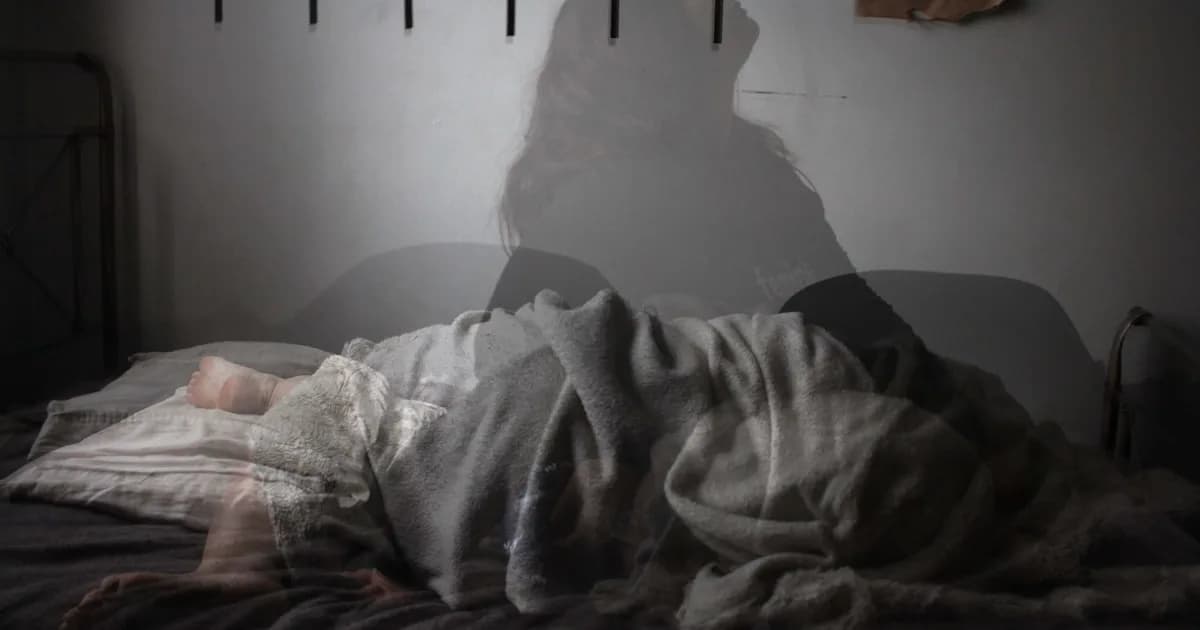
A black bird appearing in your dream can feel charged with significance—sometimes unsettling, sometimes magnetic. Before we explore what this image might mean, it's worth sitting with the experience itself. What was the first feeling that arrived when you saw it? Was it fear, or curiosity, or something harder to name? A dream about a black bird is not inherently dark or ominous, even though the color black and the image of a bird together might initially suggest something heavy. The question is always personal: what does this particular encounter mean for you, in this moment of your life?
The Emotional Register First
The emotional experience of encountering a black bird in a dream matters more than any symbolic interpretation. Notice: did the bird move toward you or away? Did it seem confined, or did it soar freely? Was there threat in its presence, or invitation? The emotional texture of the dream—what your body felt, what your instinct knew—is the most honest information available before any explanation begins. Some dreamers report a sense of ancient knowing when they see a black bird. Others feel a visceral warning. Still others feel protected, as though they are being shown something important. None of these responses is incorrect. Each one is data about your particular relationship with this image.
The color black in dreams can carry many weights. It may feel like absence, or like depth, or like protection, or like the unknown. For some dreamers, black is the color of night itself—natural, necessary, alive with possibility. For others, it carries associations with loss or fear. The bird, too, has its own emotional signature: birds move through space in ways that ground-bound creatures cannot. They represent freedom, perspective, the ability to rise above. When these two elements meet—blackness and flight—the dream offers a particular kind of material to work with. The question is what that combination stirs in you specifically.
Reflection: Questions to Sit With
Rather than reaching for a fixed meaning, it can be valuable to remain with the dream longer, asking questions that open rather than close. These are not questions with answers you need to find; they are invitations to notice what the image generates when you hold it.
These questions have no single correct answers. They are meant to deepen your familiarity with the dream, to help you notice what it is actually showing you rather than what you think it should mean. The bird exists in relationship with your life, your history, your current concerns. The meaning emerges slowly, through attention, not through interpretation.
Cultural and Psychological Context: Vocabulary for Your Inquiry
Across many cultures and psychological traditions, black birds carry rich and varied significance. Understanding these traditions may offer vocabulary for what you are experiencing—or it may not resonate at all. The point is to introduce possible languages, not to impose a correct meaning.
In Western tradition, black birds—particularly ravens and crows—have been understood as psychopomps, beings that move between worlds. They are associated with death, with the underworld, with transition. This is not because they are evil, but because they inhabit a liminal space. They move between the visible and invisible. Some Jungian analysts have seen black birds as representations of the shadow—those aspects of ourselves we do not readily acknowledge but that possess their own power and intelligence. The shadow is not inherently negative; it is simply what remains unintegrated, unexamined. A black bird in a dream may be an invitation to look at what you have been avoiding, not with judgment, but with the same curiosity you might bring to any wild creature.
In other traditions, black birds hold different meanings. In some Indigenous practices, they are honored as messengers and teachers. Ravens, for instance, are associated with creation and transformation in many Pacific Northwest traditions. In Celtic mythology, black birds can represent prophecy and the unknown future. In Hindu and Buddhist traditions, the crow is understood as a being that moves between sacred and mundane, between the celestial and the earthly. These are not universal truths about what a black bird means; they are examples of how different cultures have found significance in this image. What matters is whether any of these resonances speaks to your particular encounter.
Neuroscience offers another kind of context: the brain is drawn to moving objects, to things that appear to pose either threat or opportunity. Birds, because they move through space in unpredictable ways, naturally capture attention in dreams as in waking life. The color black has its own neurological impact—it is associated with the unknown, with the edges of what we can perceive. When the brain is processing something emotionally significant but not yet fully understood, it may generate the image of a black bird: something dynamic, something that moves beyond our direct control, something that can ascend beyond our immediate situation. This is not reductivist explanation; it is simply recognizing that the brain's way of generating images is itself intelligent and responsive to what you are actually experiencing.
Practice: Continuing the Conversation
The dream does not end when the article ends. The material remains available, and the most valuable work happens not in interpretation but in sustained engagement. Here are some concrete ways to continue your relationship with this image.
The black bird in your dream is not waiting for you to solve it. It is waiting for you to remain in relationship with it. What would it mean if you returned to this image not seeking explanation, but seeking presence? What if the value of the dream lay not in understanding what it means, but in becoming familiar with what it feels like to encounter this darkness in flight?
Frequently Asked Questions
Does a black bird in a dream always mean something bad is coming?
No. This is a common misconception rooted in superstition and fear-based interpretation. A black bird is not a warning or an omen. It is an image your dreaming mind has generated, and it may reflect many things: something you are processing internally, an emotion you are exploring, a transition happening in your life, or simply your brain's way of moving images through consciousness. The darkness of the bird does not correspond to darkness in your future. Pay attention to the emotional register of the dream—what you felt matters far more than the color of the bird.
What if I feel genuinely afraid of the black bird in my dream?
Fear is valid data. Rather than dismissing it or reading it as prophetic, you might stay with it: What specifically frightens you about this bird? Is it the darkness, the movement, the sense of something wild and uncontrollable? Your fear is showing you something about what matters to you, what feels threatening in your life right now. A dream that frightens you deserves your curiosity, not your avoidance. Consider what in your waking life might be evoking this sense of danger—not because the bird predicts it, but because your dreaming mind is processing it.
Is there a difference between dreaming of a raven, a crow, a blackbird, or another black-feathered bird?
Each species carries its own qualities and associations. A raven may evoke different feelings than a sparrow that happens to be black, or a crow, or a blackbird. If you know what species appeared in your dream, that specificity matters—but only insofar as it connects with your own relationship to that bird. Have you encountered this particular bird in waking life? What do you associate with it? Your personal experience with the bird matters more than any universal symbolic meaning.
What does it mean if the black bird was flying freely versus trapped?
The bird's movement is part of its message to you. A bird in flight carries different emotional weight than one trapped or grounded. A freely flying black bird may suggest movement, perspective, the ability to rise above. A trapped bird may reflect something in your own life that feels confined—a situation, a feeling, an aspect of yourself that you sense wants to move but cannot. But these are possibilities, not certainties. What did you feel watching the bird move or remain still? That feeling is the most direct path to understanding what the image means for you.
How long should I work with this dream before I understand it?
There is no timeline. Some dreams yield their significance quickly. Others remain mysterious for months or years, and that mystery itself is valuable. The goal is not to rush toward understanding but to develop an ongoing relationship with the material. Keep the dream in your journal. Return to it when you notice black birds in waking life. Notice if the image shifts as your life circumstances change. What matters is not reaching a conclusion but deepening your familiarity with what the image generates in you.